Orthopedics
Orthopedics is all about keeping your bones, muscles, and joints healthy. Learn how you can support your child's healthy growth and development so they can keep doing what they love.
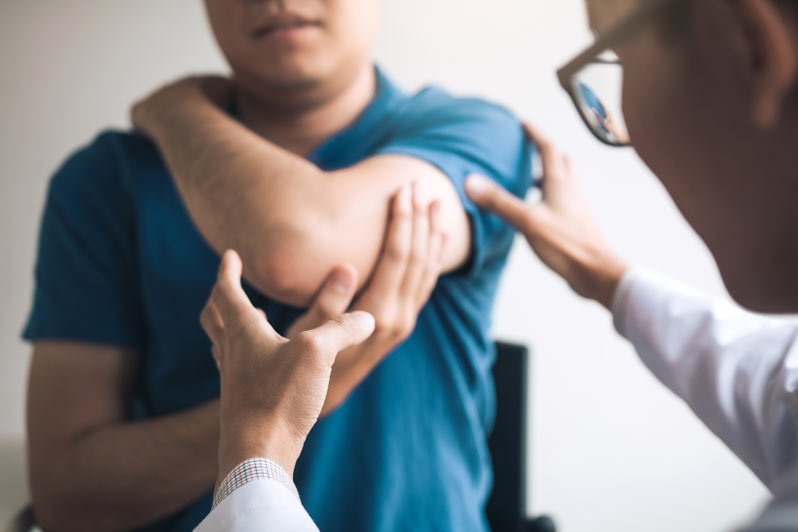
Explore orthopedic health
Causes
Orthopedic conditions can arise from multiple causes including acute injuries, overuse, or genetics.
Definition
Common definitions of your musculoskeletal system, the ailments that affect it, and orthopedic treatments.
Diagnosis
Orthopedic conditions can be diagnosed through examination, imaging tests, and medical history analysis.
Management
Orthopedic conditions may be managed with medication, therapy, surgery, and lifestyle adjustments.
Prevention
Maintaining a healthy lifestyle, exercising and stretching are some of the many ways to prevent orthopedic injuries.
Recovery
Recovering from orthopedic injuries may involve rehabilitation, physical therapy and, in some cases, surgery.
Related Conditions
Certain conditions can impact orthopedic health, leading to joint damage, bone loss, and functional limitations.
Symptoms
Symptoms of orthopedic conditions may include pain, swelling, stiffness, and limited range of motion among others.
Featured
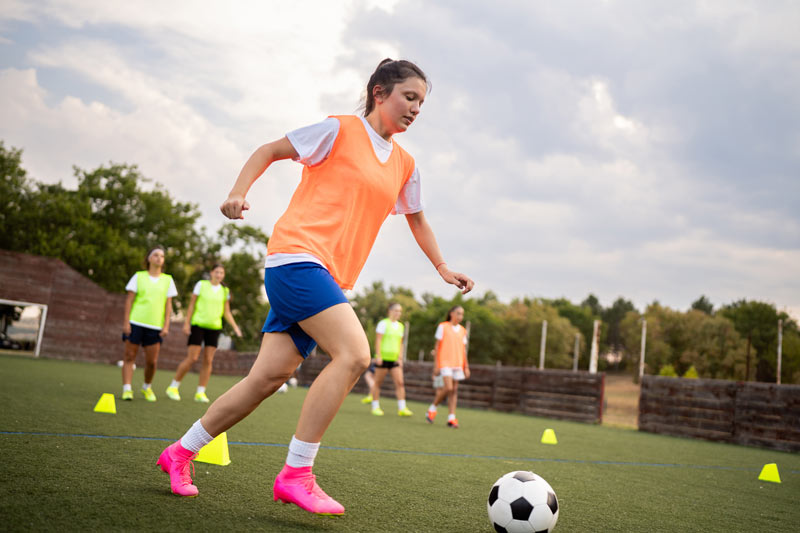
Prevention
Preventing Sports Injury in Children
Many sports injuries can be prevented by learning about the sport and making sure your child has the necessary protection.
Related Conditions
Juvenile Ankylosing Spondylitis (JAS) in Children
Juvenile ankylosing spondylitis is a type of arthritis that affects the spine and the places where the muscles, tendons, and ligaments are attached to bone.
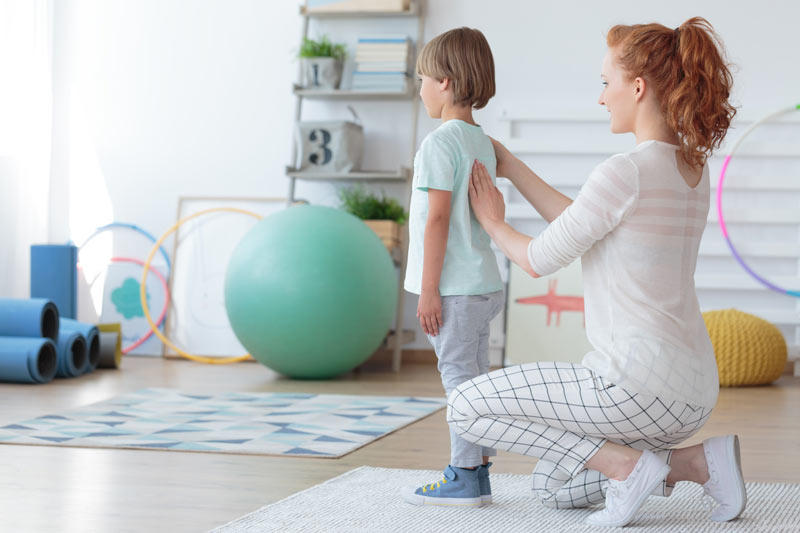
Common orthopedic conditions
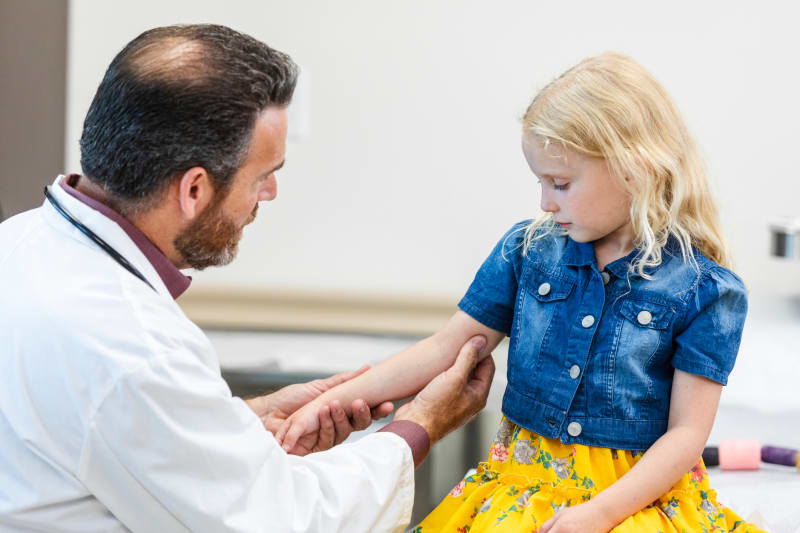 Types
Types
Nursemaid’s Elbow in Children
Nursemaid's elbow is a type of elbow injury. It's when a forearm bone (radius) slips out of place from where it normally attaches to the elbow joint.
 Types
Types
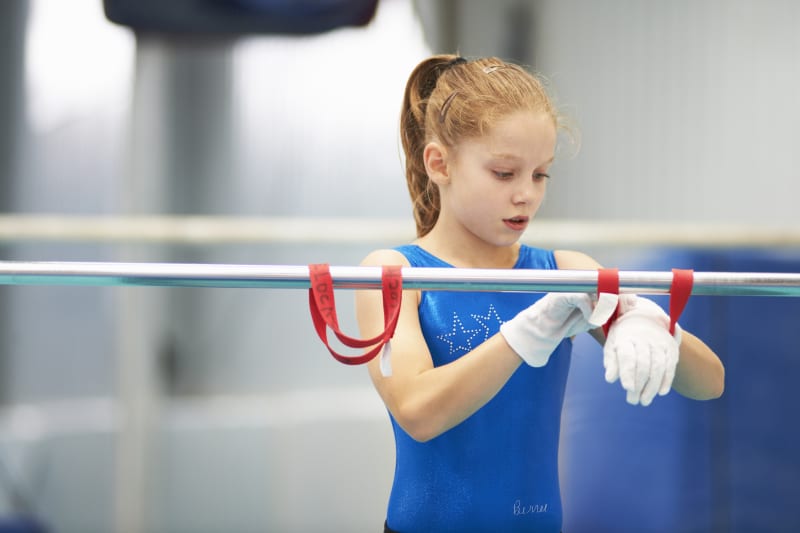
Scoliosis (Child)
Scoliosis is a problem that causes an S-shaped or C-shaped curve of the spine. Learn more about scoliosis, including how to care for your child at home.
 Types
Types
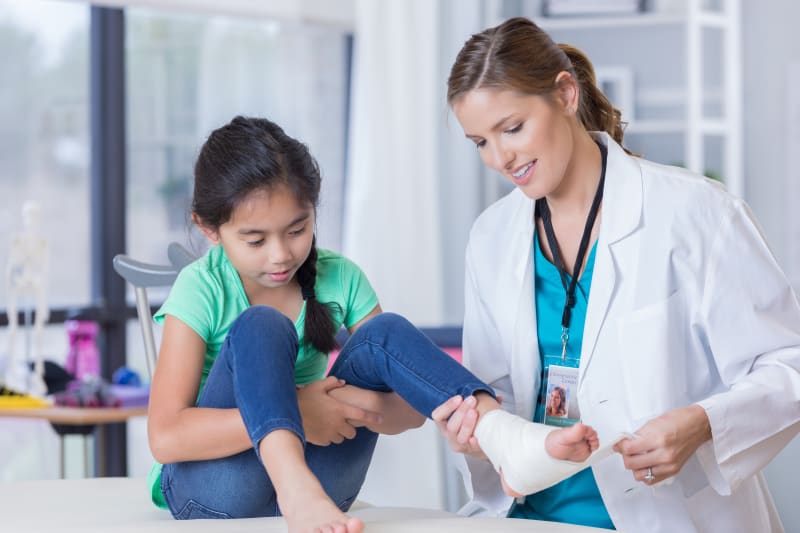
When Your Child Has a Strain, Sprain, or Contusion
Strains, sprains, and contusions are common injuries in active children. These injuries are similar, but they involve different types of body tissue.
 Recovery
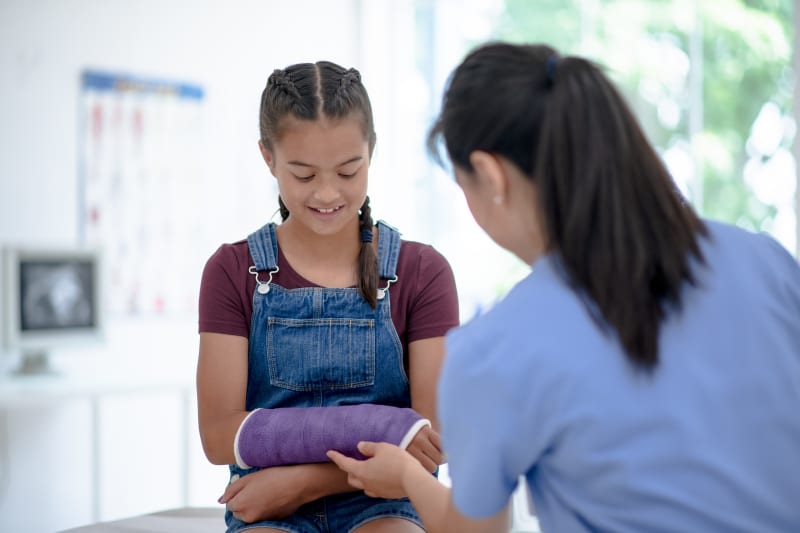
When Your Child Has a Forearm Fracture
Your child has a forearm fracture. That means they have a crack or break in one or both of the forearm bones. Learn more about this type of fracture, from diagnosis and treatment to home care.
In focus
The Pediatrics Orthopedic Team
Detailed information on each member of the pediatric orthopedic treatment team.
The Pediatric Sports Medicine Specialist
A pediatric sports medicine specialist is a healthcare provider who helps children with injuries caused during sports or athletic activities.
Test your joint pain knowledge
Our quick quizzes are a fun and informative way to test what you know about topics related to joint pain. Take a few minutes and see what you know, and more importantly, what you don't!
Take the Repetitive Stress Injuries Test
Repetitive-stress injuries (RSIs) can be painful and debilitating, causing damage to tendons, ligaments, nerves, and muscles over time. Also called repetitive motion syndromes, RSIs can affect almost any part of the body. Test your knowledge of RSIs by taking this multiple-choice quiz.
Take the Scoliosis Quiz
True or false: In most cases of scoliosis, doctors cannot determine the cause.
Take the Growth Plate Quiz
True or false: The growth plate most often fractured is in the ankle? Learn the answers to important questions about the growth plate by taking this quiz.