Urgent Care
Urgent care provides immediate medical attention for non-life-threatening conditions, bridging the gap between primary care and the emergency room. Explore articles and videos on essential urgent care and first aid topics here.
Explore urgent care
Causes
Information on causes behind injuries or health conditions requiring urgent emergency treatment.
Definition
Read up on basic terms, procedures, and clinical definitions related to injuries and urgent health conditions.
Diagnosis
Learn more about diagnosing injuries, health complications, and illnesses requiring immediate treatment.
Management
Understand how to manage an injury or health condition after receiving urgent care from a healthcare practitioner.
Prevention
Educational resources on how to prevent urgent health conditions or injuries of all kinds.
Recovery
Get informed on best practices for quick and comprehensive recovery from urgent health concerns.
Related Conditions
Understand health conditions from urgent health concerns or injuries, including complications after treatment.
Symptoms
Resources for understanding your symptoms of health concerns that may require urgent care.
Featured

Definition
About Poison Control Centers
Poison control centers are always open — 24 hours a day, 7 days a week, 365 days a year. They're staffed by pharmacists, healthcare providers, nurses, and other experts who are available by phone.
Prevention
Watching for Internal Sports Injury in a Child
Internal abdominal injuries from blunt trauma are serious injuries that occur when the body hits or collides with a large object. These types of injuries are most common in contact sports like football, ice hockey, soccer, and lacrosse.

Common urgent care visits
-
Read article
 Related Conditions
Insect Stings in Children
Insect stings can occur anywhere on the body and can be painful and frightening for a child. Most insect stings cause only minor discomfort. Most stings are from honeybees or yellow jackets, also called ground hornets.
-
Read article
 Types
Types
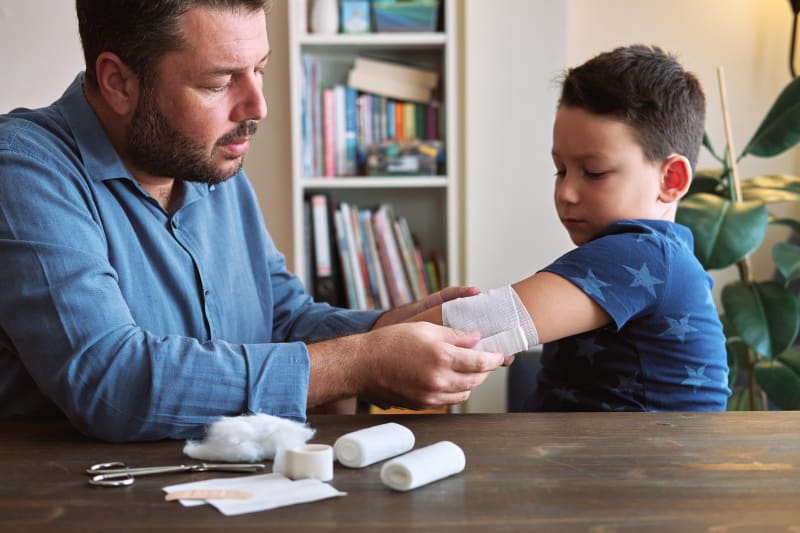
Lacerations with Stitches and Adhesive Strips (Child)
Stitches and adhesive strips are used to treat lacerations. Learn how to give your child first aid for cuts and when stitches or adhesive strips are needed.
-
Read article
 Treatment
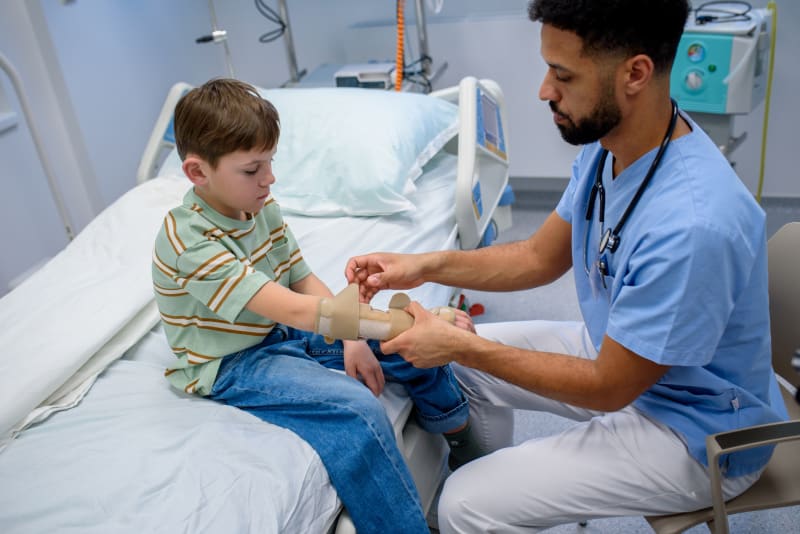
Sprains and Strains in Children
Sprains and strains are types of injuries. A sprain is an injury to a ligament while a strain is an injury to a muscle or tendon.
-
Read article
 Types
Types
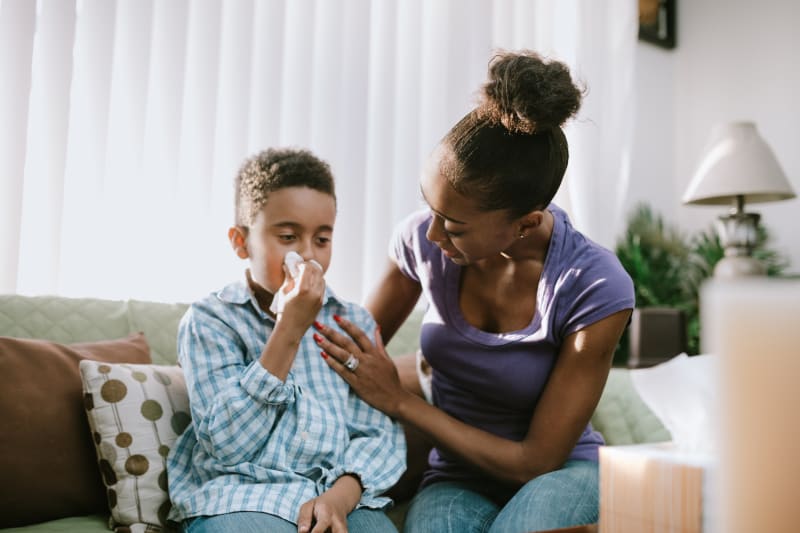
Viral Upper Respiratory Illness (Child)
A viral upper respiratory illness is contagious during the first few days. It is spread through the air by coughing, sneezing, or by direct contact. It is not treated with antibiotics.
First Aid 101
Recognizing health emergencies
 Treatment
How to Call for Emergency Help
Be prepared. Know who, when, and how to call in an emergency.
When to Use the Emergency Room (ER)
An emergency means you could die if you don't get care quickly. Or you could be hurt permanently. Read below to know when to use, and when not to use, an emergency room.
When to Get Emergency Care for Your Child
In general, take your child to an emergency room after an injury any time you think the problem may need urgent care.
Promoting safety at home
Household Safety Checklist
Use this list as part of a thorough safety check of your home. It can help prevent accidents and injuries.
Fire Safety and Burns Overview
Know the types of burns you can get and how to keep you and your family safe.
Firearms Safety
Detailed information on firearm safety and prevention.
Protect Kids from Lead Poisoning
Although lead poisoning is often associated with the paint of older homes, children may be exposed to lead if the soldering on water pipes is new. In fact, lead may be found in many parts of a home, including soil, food, or even the air.