If you have periodontal disease, you may need surgery to save one or more teeth. Surgery can help reduce the size of pockets that form between the tooth and gum. It can also help regenerate bone and other tissue or adjust the gumline. Surgery can also be used to reach tartar that can’t be removed in other ways.
During surgery
Periodontal surgery takes place in the dentist’s office. You will go home soon after it is done. To control pain, you’ll be given local anesthesia. It numbs the areas to be worked on. You may also be given medicine to help you relax (a sedative). Before your surgery, be sure to arrange a ride home. As part of the surgery, a slit is made. Then the gum is pulled back. This allows access for tartar and bacteria removal. It also allows for bone reshaping. Stitches are placed after the removal to close the cut. A puttylike dressing may be placed to protect the surgery site as it heals.
After surgery
Your instructions right after surgery may include:
-
Resting for 1 to 2 days.
-
Taking medicine to control pain or prevent infection.
-
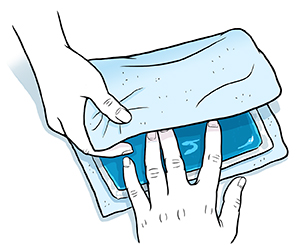
Using ice or medicine to control swelling.
-
Not smoking.
-
Following special instructions for cleaning teeth.
-
Caring for the surgical area or dressing.
-
What types of foods to eat and what to stay away from.
You’ll have a follow-up visit in
Risks and possible complications
Risks and complications vary depending on the surgery. In general, they may include:
-
Pain or discomfort.
-
Increased tooth movement or sensitivity (often short-term).
-
Cheek swelling and bruising.
-
Numbness or tingling, due to temporary or permanent damage to nearby nerves.
-
Exposure of more crown or root.
When to call your dentist
Contact your dentist after surgery right away if:
-
You have excessive bleeding or swelling.
-
The stitches come undone earlier than your surgeon has told you to expect.
-
Part or all of the dressing comes off or is uncomfortable.
-
You have increasing pain that is not controlled by medicine.
-
You have a fever of
100.4 º F (38 ºC) or higher, or as directed by your dentist. -
You have questions about your condition or treatment.
Featured in
Online Medical Reviewer: Daphne Pierce-Smith RN MSN
Online Medical Reviewer: Rita Sather RN
Date Last Reviewed: 05/01/2025
© 2000-2026 The StayWell Company, LLC. All rights reserved. This information is not intended as a substitute for professional medical care. Always follow your healthcare professional's instructions.