Following a special diet when you have kidney disease can help you stay as healthy as possible. Your health care provider or dietitian should make a special diet plan just for you.
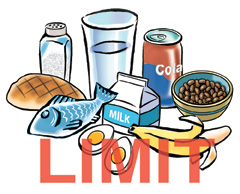
Eating right
Here are some good eating rules to follow:
-
Protein. Eating protein is important for your body. But too much protein, especially from supplements, can put a strain on your kidneys. Eating less protein may slow the progression of chronic kidney disease. Foods high in protein include meat, fish, beans, nuts, eggs, cheese, and other dairy products. A registered dietitian can help you plan a diet that has the right amount of protein for you.
-
Sodium. Having too much salt in your diet can make your body hold onto (retain) water. Ask your dietitian or other health care provider how much sodium per day you are allowed. This will help you prevent fluid buildup in your body (fluid retention). It can also help control high blood pressure. Learn to read food labels to find how much sodium is in 1 serving. Foods high in salt include processed meats, canned and boxed foods, sauces, salted chips and snacks, pickled foods, frozen dinners, and restaurant and fast food.
-
Fluids. If you have advanced kidney disease, you will need to limit the water and fluids you drink. If you don’t, then too much water will build up in your body. The exact amount of fluid you can drink depends on how well your kidneys are working. Ask your provider how much water you can safely drink each day.
-
Potassium. In advanced kidney disease, your potassium level can get dangerously high. This affects your heart. It can cause an irregular heartbeat (arrhythmia). Ask your provider or dietitian if you should limit potassium in your diet. Foods high in potassium include dairy products (milk, yogurt, cheese), beans, bananas, oranges, potatoes, tomatoes, spinach, cantaloupe, honeydew melon, dried fruits, and nuts. Some salt substitutes also contain potassium, so be sure to read the label before using them.
-
Calcium. Calcium is important to build strong bones. But foods high in calcium are also high in phosphorus, which can take calcium from your bones. Limiting foods high in phosphorus will help keep calcium in your bones. Ask your provider how much calcium you should get each day.
-
Phosphorus. In advanced kidney disease, your phosphorus level can get dangerously high. This affects many systems in the body and can damage your heart. Limit your intake of phosphorus-rich foods. These include beans and peas, nuts, peanut butter, cocoa, beer, cola drinks, and dairy products.
Online Medical Reviewer: Brittany Poulson MDA RDN CD CDE
Online Medical Reviewer: Daphne Pierce-Smith RN MSN
Online Medical Reviewer: Sravani Chintapalli Researcher
Date Last Reviewed: 04/01/2025
© 2000-2026 The StayWell Company, LLC. All rights reserved. This information is not intended as a substitute for professional medical care. Always follow your healthcare professional's instructions.