Nutrition

Facts About Dietary Fat

Choose a preferred language

Eating less saturated and trans fat is one of the best things you can do for your heart. Start by finding out which fats are better to use. Then always try to use as little "bad" fat as you can.


Why eat less fat?

  • Cutting down on the less healthy types of fats you eat can lower your blood cholesterol levels. This may help prevent clogged arteries from plaque buildup.

  • A low-fat diet can help you lose excess weight. Losing weight can lower your blood pressure. It can also reduce your chances of developing chronic diseases, such as heart disease and diabetes.

  • A diet low in saturated and trans fats may help reduce your risk for stroke and some cancers.


Unsaturated fat is most healthy

  • Unsaturated fat is the best fat to add to foods when needed.

  • Unsaturated fats come from plants. They include olive, canola, peanut, corn, avocado, safflower, and sunflower oils.
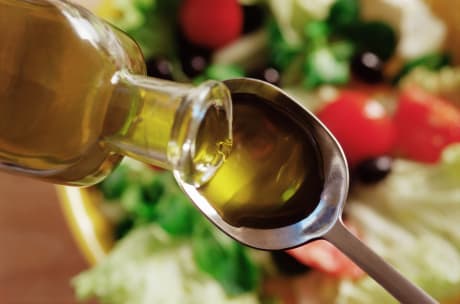
  • Liquid (squeezable) margarine is also mostly unsaturated fat.

  • In small amounts, unsaturated fat can even be good for your heart.

Bottle of olive oil.


Saturated fat is less healthy

  • Try not to eat saturated fat. It raises your blood cholesterol levels.

  • Most saturated fat comes from animals. Foods, such as butter, lard, cheese, cream, whole milk, and fatty cuts of meat, are high in saturated fat.

  • Some oils are also saturated fats. These include palm and coconut oils.


Trans fat is least healthy

  • Also try not to eat trans fat whenever possible. Even if it's not listed on the food label, look for it in the ingredients in the form of partially hydrogenated oils (PHOs).

  • The FDA has listed PHOs as no longer "generally recognized as safe." They banned adding PHOs to foods as of 2020.


Other ways to add flavor

  • Sprinkle herbs on fish, chicken, and meat, and in soups.

  • Try herbs, lemon juice, or flavored vinegar on vegetables.

  • Add chopped onions, garlic, and peppers to flavor beans and rice.

  • Try the following ways to cook lean meats, fish, or poultry: bake, broil, roast, stew, or stir-fry. 

Online Medical Reviewer: Brittany Poulson MDA RDN CD CDE

Online Medical Reviewer: Diane Horowitz MD

Online Medical Reviewer: Heather M Trevino BSN RNC

Date Last Reviewed: 04/01/2025

© 2000-2025 The StayWell Company, LLC. All rights reserved. This information is not intended as a substitute for professional medical care. Always follow your healthcare professional's instructions.

Your family’s health is our priority.

From routine checkups to specialized pediatric care, our family of doctors is here for yours.

Find a Doctor
Related Articles
Read article
Wellness
Healthy Eating: Fats

Our bodies need some fat to function properly. See which kinds of fats are best for you for providing energy and building hormones and cells, and which ones should be avoided.

Read article
Wellness
Low-Fat Diet

A low-fat diet will help you lose weight. It also can lower cholesterol and prevent symptoms of gallbladder disease. Here's a list of foods to eat more of, as well as those to stay away from.

Read article
Heart Health
Components of Food

When trying to make heart-healthy changes to your lifestyle and diet, it is helpful to know some basics about nutrition.

Read article
Wellness
Healthy Eating Tips to Help Lower Your Cholesterol

Your body needs cholesterol to build new cells and create certain hormones. But too much cholesterol is not good for you. Here's a helpful guide to understanding cholesterol, and creating a low-cholesterol diet.